Celebrating 100 Years of Black History Month
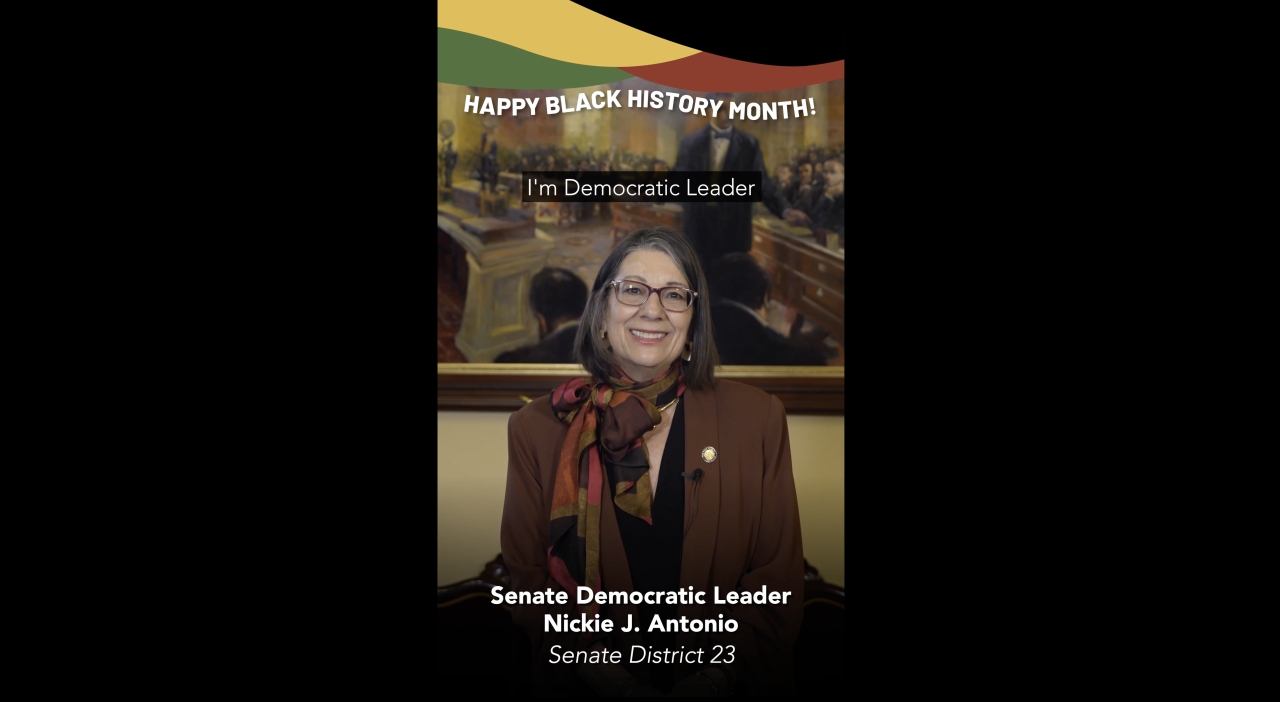
Black History Month exists because one man believed that history could change lives. In 1926, historian, journalist, and author, Dr. Carter G. Woodson, created Negro History Week to ensure that Black history was taught, remembered, and valued. As only the second Black American to earn a PhD in history from Harvard, Woodson understood that the Black experience was too important to be confined to textbooks or ignored altogether. He believed history was a tool for uplift, pride, and equality.
Woodson chose February to honor the birthdays of Abraham Lincoln and Frederick Douglass, and his work grew alongside the creativity of the Harlem Renaissance—a time when Black writers, musicians, and artists boldly celebrated Black culture. What began as a single week eventually evolved into Black History Month in 1976, not just to look back, but to move society forward.
Today, some people may wonder whether Black History Month remains necessary. Black Americans are visible in politics, culture, and media. But visibility is not the same as understanding. And progress does not mean the work is finished.
Black History Month remains vital because it helps us confront the challenges of our country’s darkest moments. Slavery shaped America for nearly 250 years, yet its legacy is often ignored, pacified, or minimized. Remembering this history is not about inflicting shame—rather it is about truth, survival, and the resilience that comes with it. Despite unfathomable atrocities and inhumane subjugation, enslaved Black Americans were able to preserve their culture and humanity, prevailing against all odds.
This perseverance is reflected in the culture—the stories, photographs, landmarks, and traditions that define our country. When history is preserved, it is legitimized. Without intentional preservation, entire communities and contributions could be erased. But we refuse to let that happen.
As the proud state Senator of District 23, I represent a Cleveland shaped by iconic Black leaders and innovators whose legacies continue to inspire. Garrett Morgan, a pioneering inventor and businessman, created the safety hood—an early gas mask used during the 1916 Lake Erie Crib disaster—as well as the modern traffic signal. Fannie Lewis, a revered civil rights activist and Cleveland’s longest-serving councilwoman, was known for her unwavering advocacy for the Hough community and deep commitment to education, which eventually led to her induction into the Ohio Women’s Hall of Fame in 1996. I am honored to have known Stephanie Tubbs Jones who made history in 1999 as Ohio’s first Black woman elected to the U.S. House of Representatives—this followed a distinguished career in law and public service. Cleveland also witnessed groundbreaking leadership from Carl Stokes, the city’s first Black mayor, and his brother Louis Stokes, Ohio’s first Black U.S. congressman, whose trailblazing service helped reshape local and national politics. I was proud to stand with Congressman Stokes when we both received Distinguished Alumni Awards from Cleveland State.
Black History Month is not just about the past—it is about the present and the hope for the future. It reminds us that history lives in our families, stories, struggles, and communities. While we’ve seen tremendous progress through decades of social justice and civil rights work, this month serves as a reminder of the immense work that remains to be done so that those whose blood, sweat, and tears were sacrificed in the name of freedom and democracy were not in vain. We must commit to work together to never forget the past–no matter how painful–while we march forward to a better world for all of our children and the generations to come–because this is the history of our country.